


The race to build out the UK’s fibre footprint has driven incredible engineering momentum over the last few years. Altnets and tier-1 contractors have achieved remarkable build velocities, breaking ground and stringing miles of overhead and underground infrastructure to meet aggressive deployment targets.
However, as network rollouts mature, the metric for success is shifting. The industry is moving past the initial rush of “homes passed” and turning its focus toward long-term operational viability.
In this landscape, the true cost of a network isn’t just the price of the initial build. It is the Total Cost of Ownership (TCO) over its 25-year lifecycle. Shaving pennies on unverified, non-compliant components during procurement might look like a quick win on a spreadsheet, but it introduces an unacceptable risk of premature failure. In infrastructure, a cheap component always introduces expensive downtime.
The Compounding Cost of “Truck Rolls”
In the FTTx sector, the single biggest drain on operational expenditure (OpEx) is the engineering field visit, commonly known as a “truck roll.”
Sending a two-person crew back to a site to troubleshoot a dropped connection, replace a slipping aerial clamp, or re-splice a macro-bent microduct is a massive logistical and financial headache. When you factor in labor rates, vehicle fuel, specialized equipment, and potential street works permits, a single remedial visit can completely wipe out any margin saved during initial procurement.
Furthermore, network downtime damages brand reputation and triggers strict Service Level Agreement (SLA) penalties from service providers.
A “right-first-time” installation strategy mitigates these risks at the source. By selecting high-performance materials engineered to withstand environmental stressors, operators can transition from a reactive, firefighting maintenance model to a stable, passive network asset.
Engineering Out the Risk Factors
Physical infrastructure is subjected to harsh, relentless conditions. Overhead deployments face high winds, ice loading, and extreme temperature fluctuations, while underground networks must resist moisture ingress, ground shifts, and micro-cracking.
To achieve asset longevity, individual components must be engineered to work in tandem:
Overhead Resilience: Drop cables and anchoring clamps need to handle environmental tension without causing signal attenuation. If a clamp pinches a jacket too tightly under load, it creates micro-bends that degrade signal quality long before the physical cable snaps.
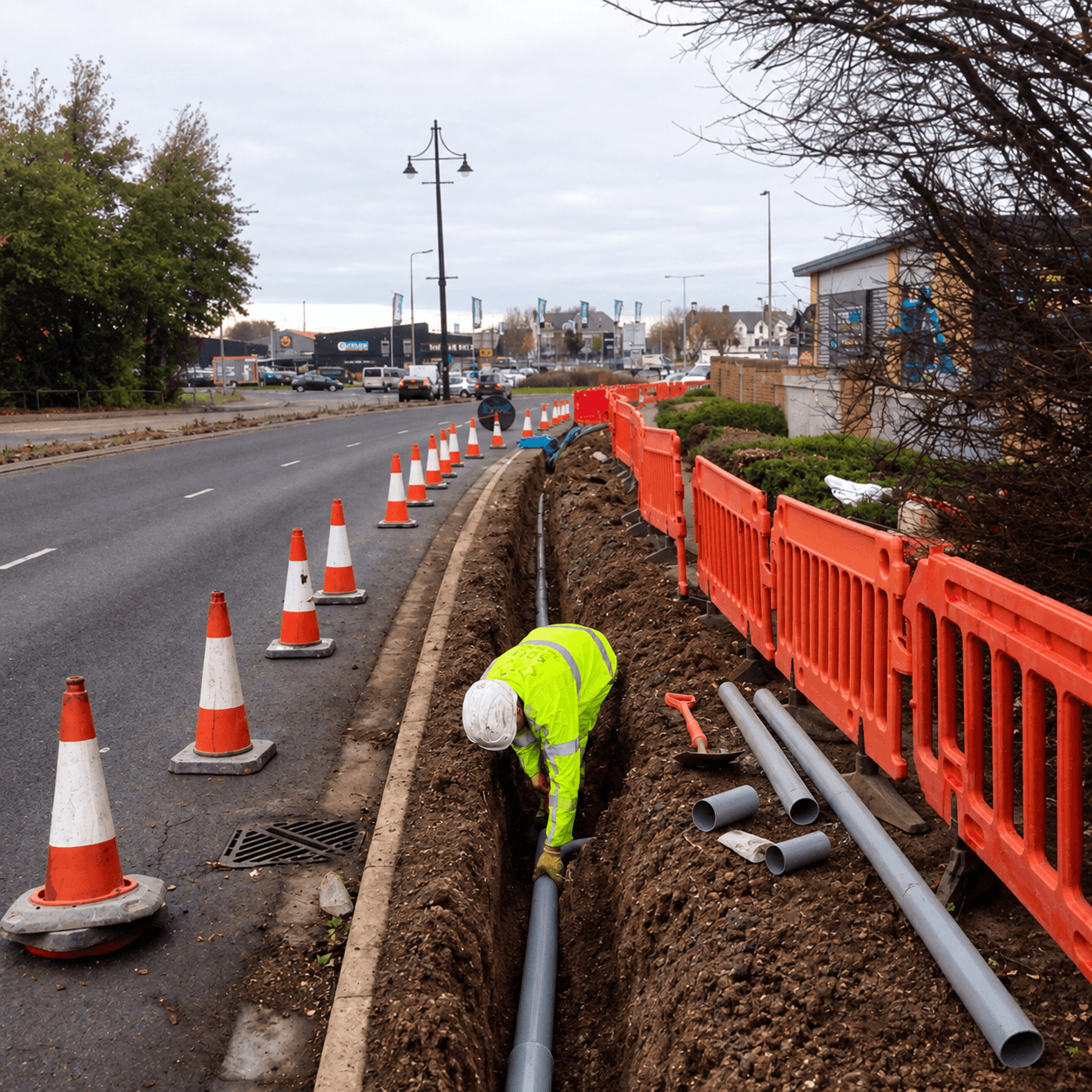
Underground Integrity: High-density microducts and sealing accessories must remain completely airtight and watertight. Minor water or dirt ingress can compromise future cable blowing operations or cause structural damage during winter freeze-thaw cycles.
When components are tested, verified, and manufactured as an integrated system, they eliminate interface friction. It ensures that the tension tolerances, materials, and lifespans align seamlessly, minimizing the need for physical intervention down the line.
“A network is only as resilient as its weakest connection point. Investing in fully compliant, high-spec hardware isn’t a premium expense. It is an insurance policy against future OpEx inflation.”
Procurement as a Strategic Asset
For independent network operators and contractors, procurement should be treated as a core element of risk management. Mitigating long-term asset degradation requires checking key boxes during the supply chain process:
Full Compliance: Prioritizing network architecture components that meet rigorous industry-standard specifications, such as Openreach PIA approvals. This ensures the hardware has been independently verified to perform in the UK’s unique network environment.
Material Performance: Opting for UV-stabilized polymers, corrosion-resistant metals, and bend-insensitive fibers that are explicitly rated for a multi-decade service life.
Integrated Hardware Solutions: Sourcing compatible deployment kits from a single provider rather than mixing unverified parts from fragmented sources. This guarantees mechanical compatibility across the build.
Building for the Next Quarter-Century
The UK’s digital economy relies on the underlying physical infrastructure being rock-solid. As build rates normalize and competition centers on network reliability, the operators who prioritize structural integrity today will be the ones who protect their margins tomorrow.
By shifting focus away from lowest-cost-per-unit procurement and adopting a strict “right-first-time” methodology, the infrastructure sector can build networks that aren’t just fast to deploy, but are built to last for decades.



Get the latest articles and insights delivered straight to your inbox. Sign up today to stay informed and ahead of the competition.